Bill of Rights and Amendments
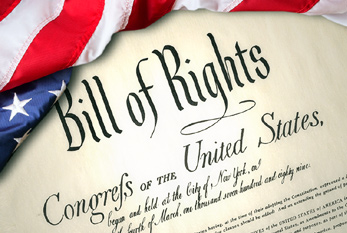 The Bill of Rights basically is a list of rules that guarantees the five basic freedoms but with a few regulations. Literally the First Amendments deal with the freedom of speech, religion, press, assembly, and petition. The Second deal with the right to bear arms and form state militias which basically regulate fire arms. The Third amendment banned the quartering or stationing of military troops. The Fourth amendment allowed for polices and other authorities to have no right to do unreasonable search and seizures. The Fifth amendment is the rights of the accused, in other words the accused can't be charged for the same crime and can't be a witness against their selves. The Sixth amendment provides the right to fair trial. The Seventh amendment is the right to jury trial in civil cases. The Eighth amendment is courts being unable to impose unreasonable bail, fines, or cruel, and unusual punishment. The Ninth amendment covers all the rights that are not listed in the constitution. Lastly, its the Tenth amendment that ensures state rights. Basically all of these are non as the bill of rights as the were th first ones in the Constitution.
It wasn't until later on that the government added amendments 11-27 that more were made. It endured our rights for other people and enforced other rules. In the eleventh amendment it limited suits against states. The Twelfth amendment insured procedures for electing both the president and vice-president. The Thirteenth amendment abolished slavery. The Fourteenth amendment established how anyone born or neutralized in the U.S is a citizen and has rights. The Fifteenth amendment allowed African Americans the right to vote. The Sixteenth amendment stated that congress can collect income taxes. The Seventeenth amendment allowed people to vote for senators. The Eighteenth amendment prohibits the manufacture, sale, or consumption of alcohol. The Nineteenth amendment allowed women the right to vote. The Twentieth amendment made term limits. The Twenty first amendment made alcohol legal again. The Twenty Second amendment allowed the president to serve only two terms. The Twenty Third amendment got Washington D.C the right to vote. The Twenty Forth amendment couldn't keep citizens from voting by using taxes. The Twenty Fifth amendment made the vice president become president if the president either leaves or dies, The Twenty Sixth amendment lowered the voting age to 18. The Twenty Seventh amendment states that when the congress votes to increase salaries, it will start at the beginning of the next term. That is basically all the amendments and the bill of rights that make up the first ten.

This was my favorite too
ReplyDelete